Elle MD Technologies
A Nova Scotia femtech startup develops a copper-based, non-hormonal vaginal ring for monthly contraception and emergency use.
NewName Editorial
Editorial Team
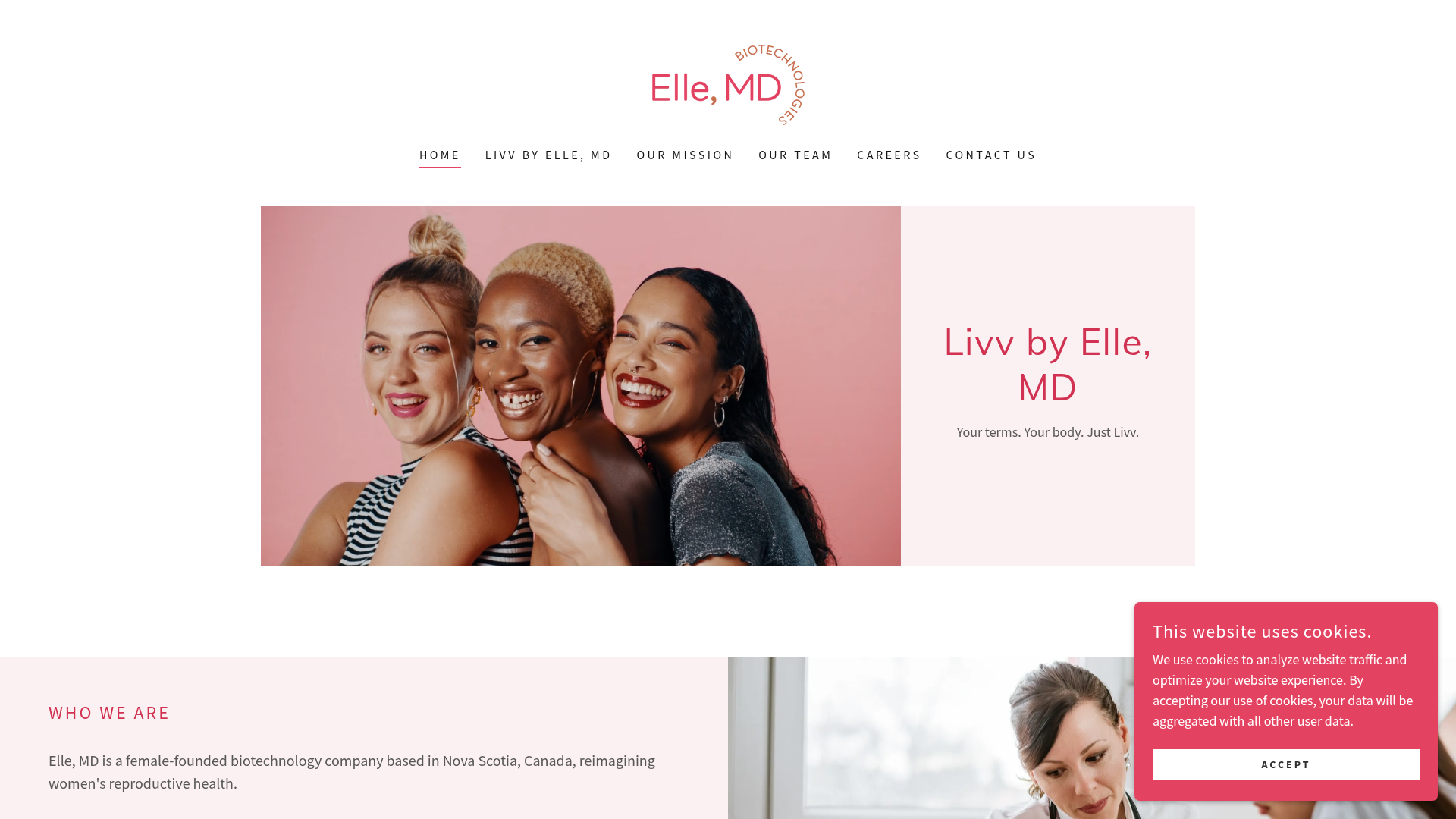
For decades, the default answer to "birth control without hormones" has been the copper IUD—effective, but invasive to insert and not right for everyone. A small Nova Scotia startup, Elle MD, is betting that a different copper delivery mechanism—a vaginal ring—can offer the same non-hormonal appeal with more user control. The company's product, Livv, is still in development, but its premise is striking: a once-monthly, non-hormonal contraceptive ring that works locally, is easily removable, and could double as emergency contraception.
That dual-indication ambition is what makes Livv more than a me-too device. If it clears clinical trials and regulatory approval, it would be the first patient-controlled, dual-indication contraceptive device of its kind, according to the company. But the path from a promising concept to a product on pharmacy shelves is long, and the evidence so far is mostly about intent and early funding. Here's what the public record shows—and what it doesn't.
The contraceptive gap that hormones left open
Hormonal contraception—pills, patches, rings, implants—works well for many, but not for all. Some women experience mood changes, weight gain, or other side effects that make hormonal methods intolerable. Others have medical conditions that make estrogen-containing options risky. The non-hormonal choices have historically been limited: barrier methods, fertility awareness, or the copper IUD. Each has its own tradeoffs in convenience, effectiveness, or user control.
Elle MD's founder, Dr. Jennifer Johnston, a family physician in Nova Scotia, saw this gap in her practice. She describes contraception as a deeply personal choice, with no one-size-fits-all answer. After the birth of her fourth child, she found herself weighing the same tradeoffs personally. That experience, she says, inspired her to create a new option that would give women more autonomy and confidence.
The company's positioning is clear: "Your terms. Your body. Just Livv." The tagline emphasizes control and simplicity, a direct appeal to women who want an effective method they can start and stop on their own terms.
Copper, locally: how the Livv ring works
The Livv ring uses copper, not hormones, to prevent pregnancy. Copper has long been known to be spermicidal; the copper IUD leverages this by releasing copper ions into the uterine cavity. Livv's approach is different: it's a vaginal ring that releases copper locally within the reproductive tract, preventing sperm from fertilizing an egg without systemic hormone delivery.
This local mechanism is the core of the product's promise. By avoiding hormones, Livv aims to sidestep the systemic side effects that drive many women away from hormonal methods. The ring is designed to be worn for a month, then removed and replaced—a familiar form factor for those who have used NuvaRing, but with a fundamentally different active ingredient.
One key advantage the company highlights is ease of removal. Unlike an IUD, which requires a healthcare provider to insert and remove, a vaginal ring can be self-inserted and removed. This patient-controlled aspect is central to Livv's identity, and it's what could make it a compelling option for women who want a non-hormonal method without a long-term commitment.
From family practice to femtech: the founder's origin
Elle MD is female-founded, and its origin story is rooted in clinical practice. Dr. Johnston is a family physician with over a decade of experience in Nova Scotia, and she is also certified in lifestyle medicine. Her practice brought her face-to-face with the limitations of existing contraceptive options, but it was her own postpartum experience that pushed her to act.
The company's website is sparse on details about the science behind Livv—no published studies, no efficacy data, no timeline for clinical trials beyond a mention in a BetaKit article that Ottawa Hospital clinical trials were planned for fall. That's typical for a pre-seed startup, but it means the public evidence is mostly about the founder's vision and the company's early traction.
What is clear is that Elle MD has secured partnerships and funding from regional innovation organizations. The website lists logos including Invest Nova Scotia, the Canadian Digital Service (likely a mislabel for a regional agency), the Atlantic Canada Opportunities Agency, and Mitacs, among others. These are not just logos; they represent early validation and resources that can help a young biotech company navigate the complex path to market.
One ring, two indications: the emergency contraception expansion
Perhaps the most interesting aspect of Livv is its planned expansion into emergency contraception. The company states that it plans to develop Livv for emergency use as well, creating what it calls the first patient-controlled, dual-indication contraceptive device.
This is a significant ambition. Emergency contraception is a time-sensitive product, and the ability to use the same ring for both regular and emergency contraception could simplify supply chains and user education. But it also adds regulatory complexity. A dual-indication claim would require clinical evidence for both uses, and the safety and efficacy profiles might differ.
The company's website doesn't provide details on how the ring would deliver a higher dose of copper for emergency use, or whether the same ring would be used. This is a gap in the public narrative, but it's also a sign of the company's long-term thinking. If successful, Livv could become a versatile tool in reproductive health, offering women a single device for two critical needs.
The long road from Nova Scotia to regulatory approval
The biggest challenge for Elle MD is not the idea—it's the execution. Contraceptive devices are regulated as medical devices or drugs, depending on the jurisdiction, and they require rigorous clinical trials to prove safety and efficacy. The company's website mentions a clinical trial sign-up page, and BetaKit reported that Elle MD raised $1.1 million to support development and planned clinical trials at the Ottawa Hospital in the fall. That funding is a start, but it's a fraction of what's typically needed to bring a contraceptive to market.
The company's location in Nova Scotia is both a strength and a challenge. It has access to regional innovation programs and a supportive ecosystem, but it's far from the major biotech hubs. That said, the presence of partners like the Nova Scotia Health Authority Innovation Hub and Mitacs suggests a growing life sciences community in the region.
For now, the public record is thin on specifics: no efficacy data, no regulatory pathway details, no timeline beyond the planned trials. The company's website is more about mission and vision than about science. That's not unusual for a pre-seed startup, but it means that any assessment of Livv's potential must be cautious.
What Elle MD has going for it is a clear unmet need, a differentiated mechanism, and a founder with clinical credibility. What it needs is time, money, and successful trials. The next few years will determine whether Livv becomes a real option for women or remains a promising idea. For a company that started with a physician's frustration and a personal search for better options, that's a journey worth watching.