Pairlure
A cozy beauty-themed puzzle with a strategic limited basket, offering 100 calm levels for iPhone.
Pairlure
Submitted by the team
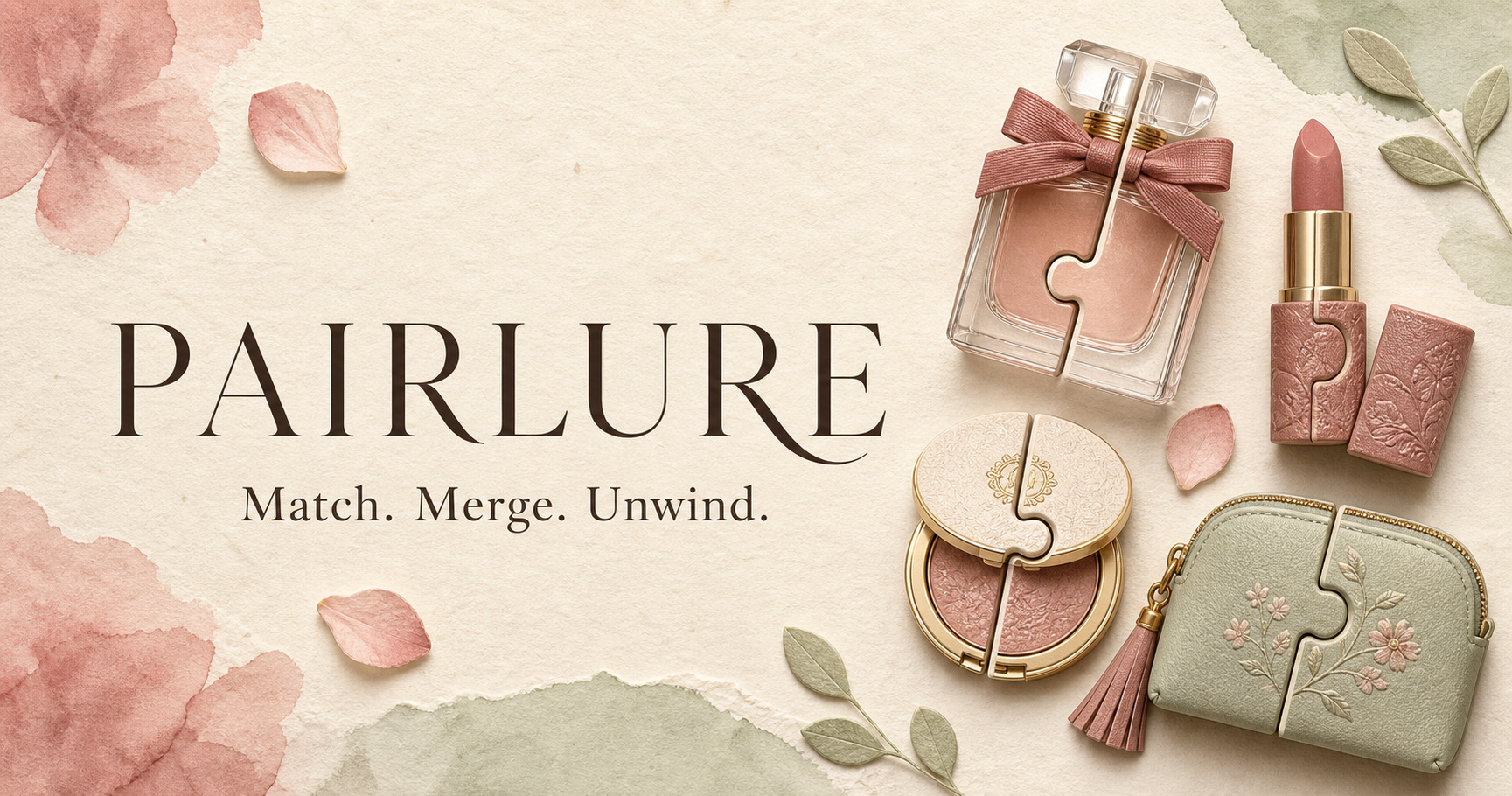
The Cozy Puzzle Gap: Why Hyper-Casual Fatigue Creates Room for Pairlure
The mobile puzzle market is a battlefield of bright colors, aggressive monetization, and dopamine-driven loops. Hyper-casual giants like Candy Crush and Royal Match dominate the charts, but a growing segment of players is experiencing fatigue from timers, boosters, and endless ads. They crave a different kind of challenge—one that doesn't punish a pause. Enter Pairlure, a beauty-themed match-and-merge puzzle from Layerlight Studio that swaps urgency for intentionality. Its core hook is a limited basket, a constraint that forces players to plan rather than react. This isn't just a cozy aesthetic; it's a structural response to a market underserved by games that respect the player's time and attention.
Pairlure's positioning is timely. The "cozy game" movement, popularized by titles like Stardew Valley and Animal Crossing, has proven that calm can be a selling point. Mobile, however, has lagged behind, with most puzzle games still defaulting to anxiety-inducing mechanics. Pairlure's 100 levels across five chapters offer a deliberate pace, but the limited-basket mechanic ensures that relaxation doesn't mean mindlessness. For a player tired of frantic matching, this is a compelling value proposition: a game that feels like a mental spa, not a slot machine.
Pairing with Purpose: How the Limited-Basket Mechanic Redefines Match-and-Merge
The match-and-merge genre is well-trodden, but Pairlure's twist is elegant: you have a finite basket, and you must pair items to clear them, all while managing limited space. This isn't a simple "match three" reflex test; it's a spatial and sequential puzzle. The website describes it as "calm to learn, quietly clever to master," and that's accurate. The basket forces you to consider not just what pairs, but what arrives next. Transparent seals and ordered cosmetic bags add layers of foresight, rewarding players who look ahead.
This mechanic is a differentiator. In Merge Mansion or Travel Town, merging is about inventory management, but the pressure is often on completing tasks, not on the elegance of the merge itself. Pairlure's limited basket creates a puzzle-within-a-puzzle: every move has a cost, and every choice matters. It's a design that appeals to players who enjoy planning, a trait often found in strategy gamers but rarely catered to in cozy titles. By bridging that gap, Pairlure offers a unique cognitive hook that can drive word-of-mouth and organic discovery.
From Match-3 to Merge: Competing in a Crowded Genre
Pairlure's competitive landscape is brutal. On one side, you have match-3 titans like Candy Crush Saga and Gardenscapes, which rely on massive user bases and proven monetization. On the other, merge games like Merge Mansion and Love & Pies have carved out a niche with narrative-driven progression. Pairlure sits between these, but it doesn't have the brand recognition or marketing budget of these incumbents. Its advantage lies in its clarity of vision. The game doesn't try to be everything; it's a focused, premium-feeling puzzle experience.
The closest competitors are other indie cozy puzzles like Zen Koi or I Love Hue, which also prioritize calm. However, those games often lack strategic depth, relying on color matching or collection. Pairlure's limited-basket mechanic is a step beyond, offering a mental workout that's still soothing. The beauty theme is another differentiator—it's a visual hook that appeals to a demographic often underserved by puzzle games: players who appreciate aesthetics and self-care themes. In a market where differentiation is key, Pairlure's combination of calm and strategy is a defensible niche.
Monetizing Calm: Pricing, Retention, and the Free-to-Play Dilemma
Pairlure's monetization strategy is not publicly detailed, but the App Store listing suggests a premium or freemium model. The website's focus on "small wins" and "unwinding" implies a design that avoids aggressive ads or pay-to-win mechanics, which would break the cozy immersion. If Pairlure is a paid app, it's a bold move in a market dominated by free-to-play. However, a premium price (e.g., $2.99) can signal quality and filter out non-committed users, aligning with the game's niche appeal.
If it's freemium, the challenge is to monetize without disrupting the calm. Cosmetic items or chapter unlocks could be natural fits, but they must be optional. The game's retention will hinge on its level design and the "one more level" pull that comes from the strategic depth. With 100 levels, there's enough content to justify a price point, but the long-term revenue will depend on updates or DLC. The go-to-market motion is likely App Store optimization and influencer partnerships within the cozy gaming community, which is active on platforms like TikTok and YouTube.
The Road to 100 Levels: Content Depth and the Future of Cozy Puzzles
Pairlure's 100 levels are a solid foundation, but the puzzle genre is content-hungry. Players who finish the game will want more, and the developer must plan for expansions. The five-chapter structure with new twists suggests a scalable design, but the limited-basket mechanic could become repetitive if not varied. The roadmap will need to introduce new mechanics, items, or even a level editor to keep the community engaged.
Looking ahead, the cozy puzzle market is likely to grow as players seek digital escapes from stress. Pairlure is well-positioned to capitalize on this trend, but it faces the classic indie challenge: visibility. Without a major publisher, it must rely on organic discovery and word-of-mouth. The game's unique mechanic and aesthetic give it a chance to stand out, but the window is short. If Pairlure can build a loyal player base and expand its content, it could become a beloved niche title. If not, it risks being a beautiful footnote in the mobile gaming landscape. The next 12 months will be critical for Layerlight Studio to prove that cozy can also be clever.