Impact-Site-Verification: 41b53a0c-6d04-458b-a457-fe9e29acde1a
How artificial intelligence is transforming domain discovery, branding, and the web.
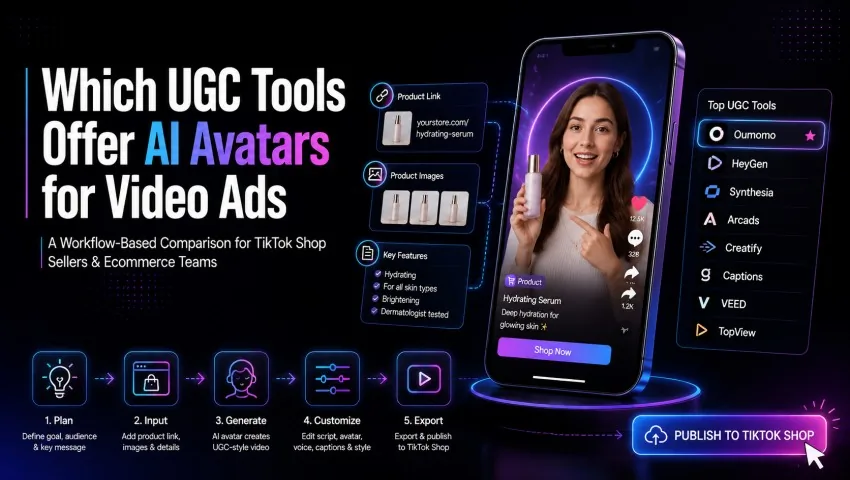
A workflow-based comparison of UGC tools with AI avatars for TikTok Shop and ecommerce—covering Oumomo, HeyGen, Synthesia, Arcads, Creatify, Captions, VEED, and TopView.
Bootstrapped from Dhaka by product designer Muzahid Maruf: how TrackRev's charge-backward data model—joining every partner click to Stripe, Paddle, Polar, or Lemon Squeezy charges—replaces the ~$84/mo Bitly+Rewardful stack with flat $39–$199 tiers that meter affiliate commission volume, not clicks.
ChainEpic LTD's iOS + web Texas Hold'em suite: how PokerJudge's Free/Pro/Ultra freemium—18+ GTO calculators, hand import, live session logging, and street-by-street AI coach synced via Supabase—replaces the PokerTracker + Flopzilla + ICMIZER stack for recreational grinders, not another naming scorecard.
A browser Photoshop alternative with a zero-server core editor and metered AI credits: how PhotoQuill uses WebGPU local processing, PSD parsing, and SEO landing pages to monetize FLUX generation without touching the free layer stack.
CrazyTools Studio's browser PBR suite: free WebGL conversion from your albedo to normal/roughness/AO/metallic maps, with credits only for AI-generated diffuse textures and text-to-PBR workflows.
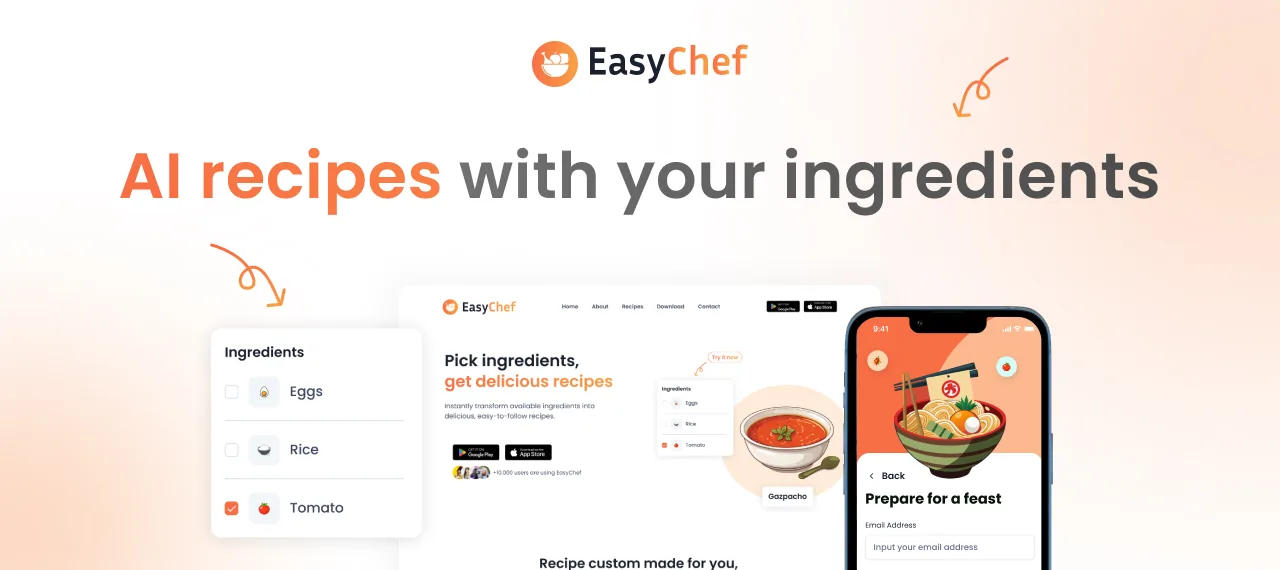
EasyChef.ai flips recipe apps: input pantry ingredients first, get AI meals matched to diet, equipment, and cuisine—€2.99/mo or €29.99/yr after a 3-day iOS trial. 1,000+ home cooks; Android coming soon.
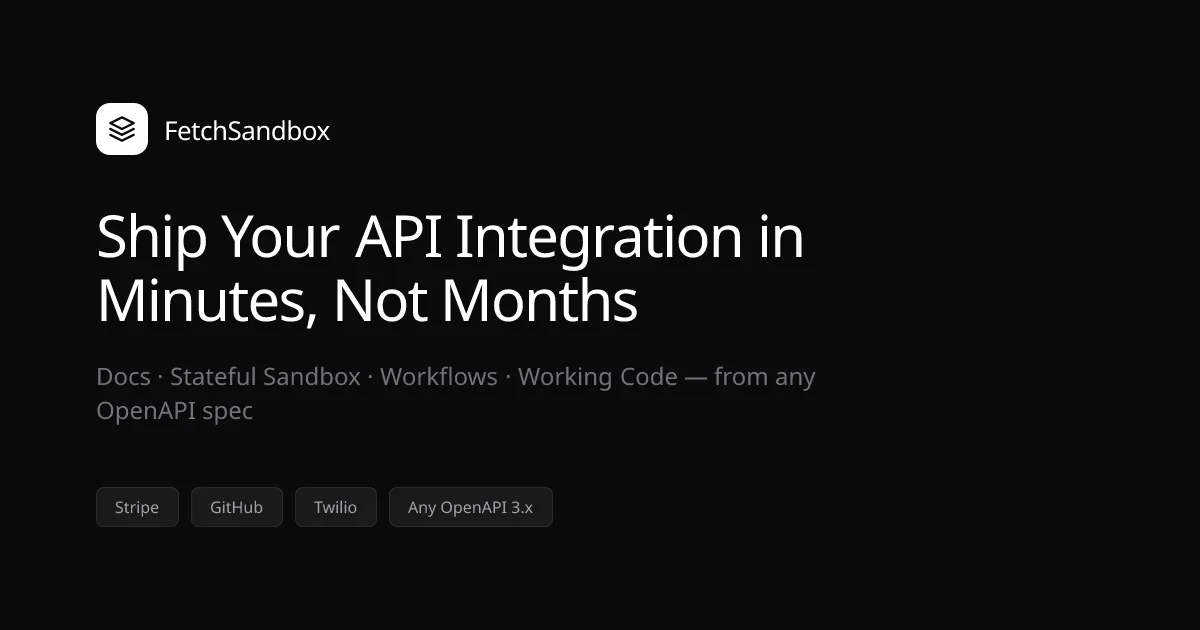
FetchSandbox turns OpenAPI into stateful sandboxes with webhooks and a memory graph—MIT MCP/CLI, 1,000 free runs/mo, $5 Pro. Built for Cursor and Claude Code agents shipping Stripe-class integrations.
Fitts (1954), Hick (1952), Nielsen heuristics—and 2,300 post-2020 citations—form the backbone. When AI generates UI, research-backed validation beats aesthetic opinion.
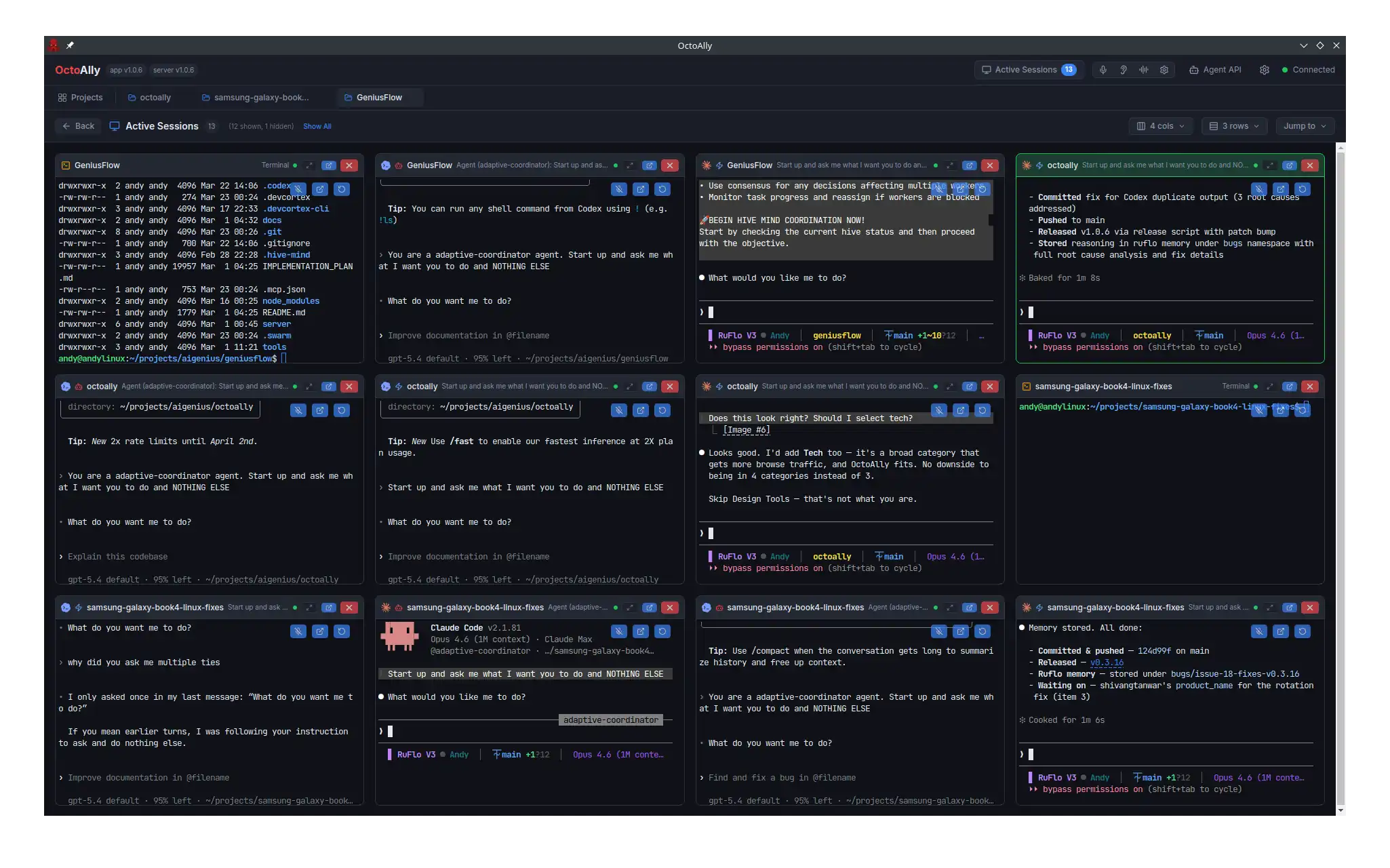
OctoAlly Pro adds kanban, multi-agent handoffs, and iOS/Android parity to the open-source Claude Code/Codex dashboard—waitlist for early summer 2026. Free OSS edition ships today.
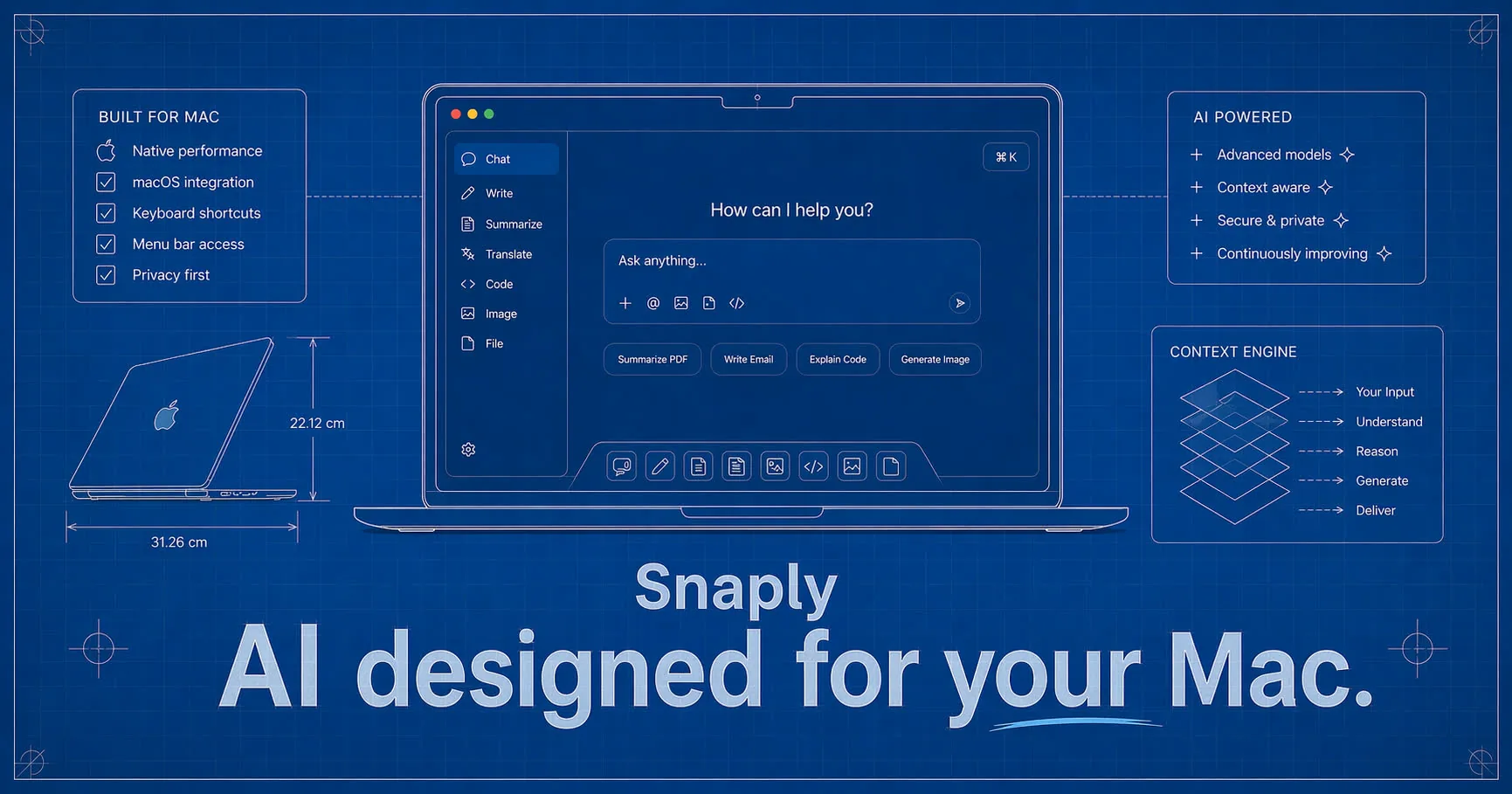
Snaply.ai: free forever for individuals—local dictation, grammar polish, Zoom/Meet/Teams meeting notes, 100+ languages. No account. vs Otter, Grammarly, Apple Intelligence.
From a "calendly open source" Google dead-end to AGPL scheduling infra: how Peer Richelsen and Bailey Pumfleet's open-core playbook—not a naming scorecard—raised $32.4M and built Platform API v2 against Calendly's closed custody.
From a Dev/Ops scar at Wireless Generation to a $3.43B observability platform: how Datadog's land-and-expand model, common data model, and per-host pricing built a public company—and where Splunk, New Relic, and Grafana still win.
From a Vercel side project on edge middleware to an OSS Capital–backed link attribution platform: how Steven Tey's AGPL open-core playbook—not a naming scorecard—turned GitHub gravity into $2M seed and enterprise customers like Twilio, Framer, and Perplexity versus Bitly, Short.io, and Rebrandly.
From a WebGL bet at Brown to a browser-inside-a-browser renderer, Adobe's blocked $20B deal, and a $1.06B IPO year: how Figma's architecture—not a naming scorecard—turned design into a link-first multiplayer surface.
From a Jira Chrome extension at Airbnb to a custom sync engine on linear.app: how Karri Saarinen, Jori Lallo, and Tuomas Artman's design-first philosophy—not a naming scorecard—built a $400M→$1.25B issue tracker ICs actually want to open.
From Engelbart's vision to a Kyoto near-death rebuild, block architecture, $500M+ ARR, and notion.so → notion.com: how Notion's product philosophy—not a naming scorecard—built a 100M-user workspace.
From YouTube's sharding middleware to a $105M serverless MySQL platform: how Jiten Vaidya and Sugu Sougoumarane turned CNCF Vitess into deploy requests—and why Sam Lambert's 2024 profitability pivot killed the free tier while Neon, Turso, and CockroachDB ate different slices of the market.
From Uku Täht's GA integration disgust to Marko Saric's de-Googling playbook: how Plausible's bootstrapped, AGPL, EU-only subscription model—not a naming scorecard—reached 20,000+ paying sites against Google Analytics, Fathom, and Simple Analytics.
From five YC pivots to a $1.4B Product OS: how James Hawkins and Tim Glaser's all-in-one analytics, replay, flags, experiments, surveys, and warehouse play—not a naming scorecard—replaced the Mixpanel + FullStory + LaunchDarkly stack for 100,000+ teams.
From React Email on GitHub to a YC W23 email API: how Zeno Rocha and Bu Kinoshita's Next.js/Vercel playbook—not a naming scorecard—turned developer template pain into $3M seed and $18M Series A gravity versus SendGrid, Postmark, and Mailgun.
From /dev/payments and a stripe.com acquisition to $65B→$159B: how Patrick and John Collison's API-first platform economics—not a naming scorecard—turned seven lines of code into Atlas, Radar, Treasury, and Climate.
Supabase is not a proprietary cage with a nice dashboard. It is managed Postgres plus open parts—PostgREST, Auth, Realtime—designed so pg_dump and self-hosting stay real. Origin, assembly, Firebase custody contrast, and funding facts.
From ZEIT's `now` CLI to a $9.3B frontend cloud: how Guillermo Rauch's open-source Next.js strategy—not a naming scorecard—turns MIT-licensed frameworks into platform gravity, and what that means versus Netlify and Cloudflare.
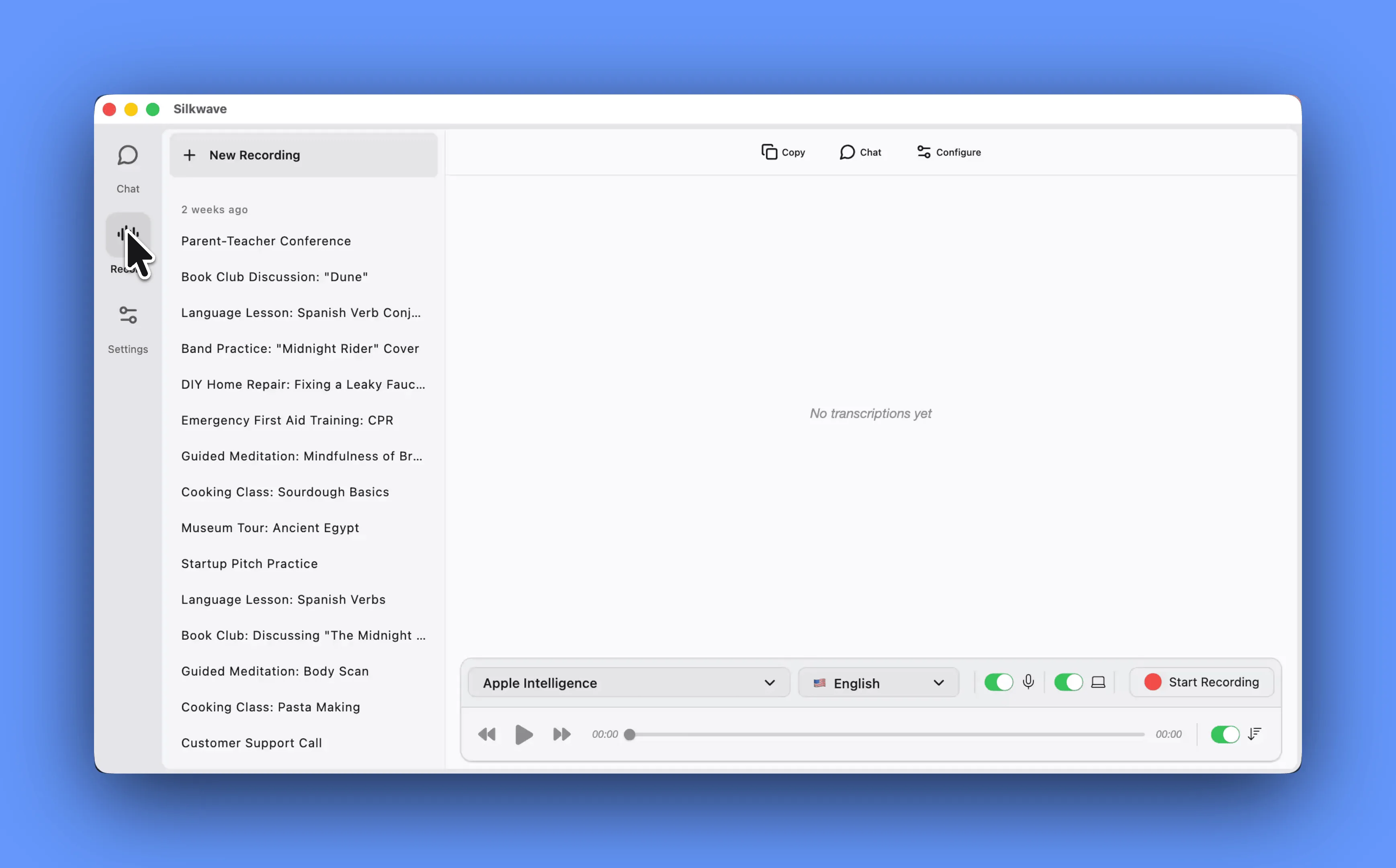
Silkwave Voice on the Mac App Store: on-device transcription in 10+ languages on macOS 26, ChatGPT summaries via Apple Intelligence—one-time purchase, no subscription. vs Otter, Rev, Descript.
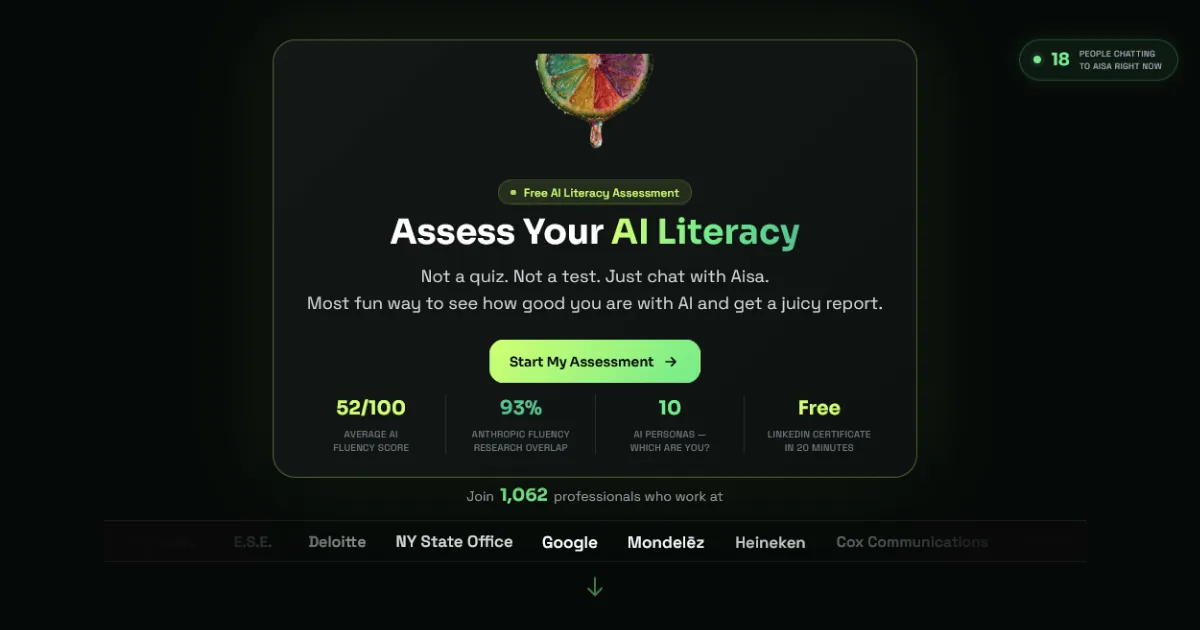
From Ozan Dagdeviren's psychometrics background to a dual-track conversational assessor: how AISA's free 20–45 minute AI fluency interview, $10 employer credits, and $19/mo WhatsApp coach—not a naming scorecard—turn AI literacy measurement into a hiring and L&D business.
Founded by ex-Uber ATG chief scientist Raquel Urtasun in 2021, Waabi trains its Waabi Driver inside Waabi World—a closed-loop neural simulator—before Texas trucking runs and a $750M Series C into robotaxis. Here is the simulation-first thesis, verified funding, and how it stacks against Waymo, Aurora, and a post-Cruise landscape.
From ex-Google engineers fixing NAT for the long tail to a $275M WireGuard mesh with 10,000+ paid businesses: how Avery Pennarun, Brad Fitzpatrick, and David Crawshaw's zero-config thesis—not a naming scorecard—replaced hub-and-spoke VPN theater for Perplexity, Instacart, and homelab Minecraft servers alike.
An SRI spinout building hardware-agnostic robot intelligence is moving from a paid pilot at Tier-1 supplier F&P Manufacturing toward live automotive production. Here is what is verified, what is claimed, and why the factory floor is a harder test than any demo.
From Uber security tickets to AI2 Incubator: how Ankit Kumar and Pallav Gupta's remediation engine—not another scanner—maps your Dockerfile layers to a managed supply chain, filters up to 95% unreachable CVE noise, and ships Cosign-signed rebuilds against Chainguard's migration model.
LLMs generate 50 names in 30 seconds—and 47 violate phonotactics or trademark. The fix: constraint-first prompts, batch verification, and human fluency gates from Alter/Oppenheimer research.
Anguilla earned $39M from .ai in 2024 while GoDaddy's GoValue trained on 65M sales points and WIPO flagged AI-generated UDRP pleadings—AI reshaped discovery, pricing, and policy without replacing registrars.
MCP spec 2026-07-28 shipped July 28 with a stateless core, header routing, and Tasks for long lookups. Here is how domain check, WHOIS, and portfolio tools should expose tools—not chatbot guesses.
Gartner says 40% of enterprise apps will embed task-specific agents by end of 2026—yet 40%+ of agentic projects get canceled. Here is the receipt-first playbook for lean teams that need ROI, not demos.
With 166.6M .com names taken and ~94% of short domains gone, LLMs expand the idea space—but only pipelines that verify RDAP/DNS in real time produce names you can register.
Anguilla earned $85M+ from .ai in 2025—47% of government revenue. Here is the registry economics, startup adoption data, and what to verify before you pay premium prices.
Production domain agents combine LLM generation, RDAP/WHOIS cascades, and scoring layers—not chatbots that hallucinate availability. Here is the six-layer stack with real API patterns.